

 See My Latest Article on HelloNation
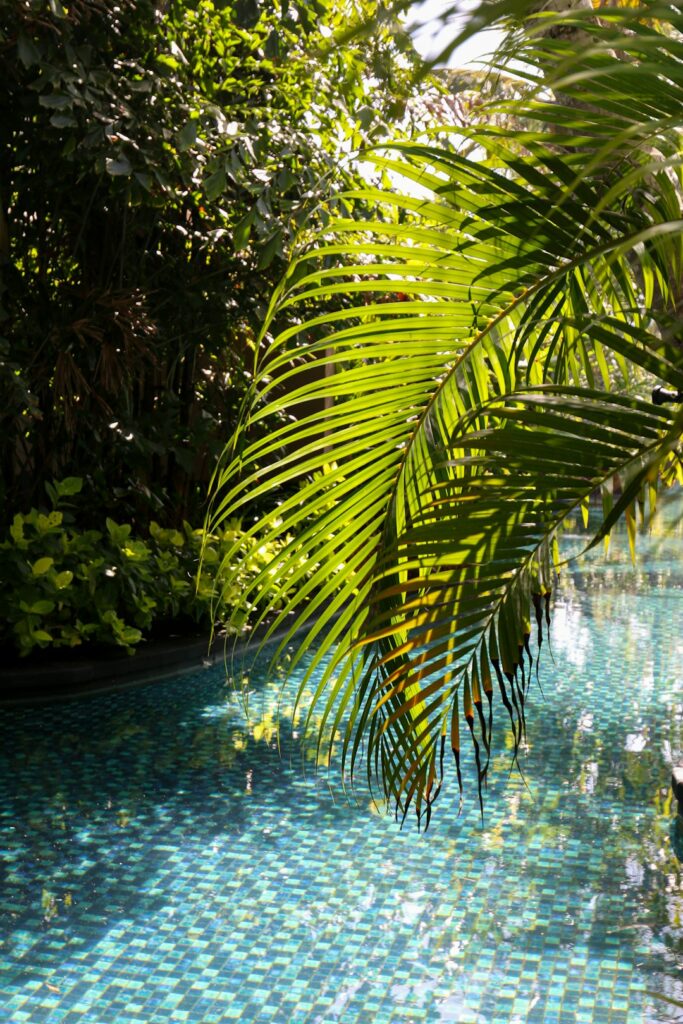
What Are Natural Pools and Traditional Pools?
Natural pools, sometimes called swimming ponds, use plants and biofilters instead of chemicals to keep water clean. By contrast, traditional pools rely on chlorine or other sanitizing chemicals and mechanical filtration to maintain water quality. Both types can be designed for backyard use in the Lansing, MI area, but they offer distinct experiences and maintenance routines.
Which Pool Type Fits the Lansing, MI Climate and Yard Patterns?
Lansing’s humid continental climate brings hot summers, variable springs, and cold winters. Traditional pools are typically built with freeze-thaw durability in mind, using concrete or vinyl liners that can be winterized. Natural pools also require careful design for cold climates, but the root zones and gravel beds that handle filtration must be protected against frost heave.
Most Lansing area yards are mid-size to large, which means homeowners can often choose either style if space and zoning allow. Traditional rectangular pools fit smaller lots, while natural pools tend to require more surface area for the regeneration (plant) zone.
How Does Water Quality and Maintenance Compare?
Traditional pools depend on a consistent regimen of chlorine or salt, pH balancing, and regular vacuuming. Homeowners measure chemical levels at least weekly during the active season, and automatic sanitizers or robotic cleaners can help.
Natural pools use a planted zone (regeneration area) filled with aquatic plants and a gravel biofilter to clean water naturally. Instead of adjusting chemicals, owners monitor plant health and periodically clean out debris. Some algae growth is normal, but well-designed pools keep water clear without chemicals. However, the natural approach generally means the water is cooler, and initial clarity can take weeks to achieve after startup.
Maintenance differences at a glance:
- Traditional pools: Skimming, vacuuming, filter backwashing, managing chlorine or salt, pH, and alkalinity.
- Natural pools: Removing plant debris, trimming vegetation, maintaining water flow and pumps, periodic gravel cleaning.
Are Natural Pools Safe to Swim In?
Properly designed natural pools are safe for swimming. The plant and gravel filtration systems remove contaminants without harsh chemicals. Water may feel softer and less irritating to skin or eyes. Still, swimming in a natural pool may expose you to more organic matter—like leaves or aquatic insects—than a conventional option.
Traditional pools offer a highly controlled environment with minimal organic debris but rely on chemical barriers to germs. Families with specific health concerns, allergies, or immune sensitivities might compare the peace of mind of chlorinated systems versus the appeal of chemical-free swimming.
What About Cost Differences?
Building a traditional pool in Lansing often costs less upfront than a comparable-sized natural pool, mainly due to the complexity of natural pool design and the need for additional plant zones. However, natural pools have lower ongoing chemical costs, since they do not require chlorine or regular sanitizing agents.
Long-term, natural pools save money on chemicals but may demand extra time for plant care and debris management. Traditional pools cost more annually in chemicals but often have lower labor demands, thanks to widespread familiarity with conventional systems and easy access to supplies.
How Do Each Affect Local Wildlife and Landscaping?
Natural pools encourage beneficial insects, frogs, birds, and pollinators. The planted regeneration zone becomes a small ecosystem, supporting native species and adding visual interest to the yard even outside swimming season. Homeowners in Lansing often find these pools blend into the landscape and feel like a natural extension of area wetlands or ponds.
Traditional pools offer clear, open water with little habitat value beyond the occasional bird stopping for a drink. Landscaping tends to be more ornamental and less integrated. Some local residents appreciate the tidy look, while others seek the environmental benefits of a living pool system.
What Is the Process for Winterizing Each Type in Lansing?
Both pool types must be winterized to withstand Michigan's freeze-thaw cycles. For traditional pools, this involves:
- Lowering the water level below the skimmer
- Blowing out plumbing lines to avoid cracking
- Adding winterizing chemicals
- Covering the pool with a secure cover

Natural pools require protection for plants and filtration beds:
- Removing or trimming dead plant material
- Ensuring proper water level in the regeneration zone (to protect roots and gravel beds)
- Disconnecting or winterizing pumps and mechanical parts
- Using a net cover can help manage falling debris from autumn leaves
Deep frost may damage poorly designed natural pools, so proper installation and seasonal care are crucial for local residents.
Which Pool Best Supports Lansing Lifestyles and Usage Habits?
In a community with changing seasons and a brief swimming window, both pool types see heavy use from June to early September. Traditional pools are ready to use immediately after spring opening, offering predictable water clarity and fast cleanup. Natural pools may take longer to reach optimal clarity in early summer and are sometimes used for paddling, wildlife observation, or ice skating in the off-season.
Natural pools appeal to those interested in sustainable landscaping, native plants, and a wilder aesthetic. Traditional pools fit families who want low-hassle swimming, pool games, and a classic suburban look. Personal preferences about aesthetics, effort, and environmental impact drive the decision for most Lansing households.
What Are Common Misconceptions About Natural and Traditional Pools?
Some local homeowners believe natural pools are always murky, unsafe, or prone to mosquitoes, but well-designed systems prevent mosquito breeding and maintain clear water. Another misconception is that traditional pools are always easier, but they require consistent chemical balancing and can be costly if neglected.
No pool type is maintenance-free. Understanding seasonal demands, local groundwater conditions, and site-specific factors is essential for enjoying any backyard pool in Lansing.