

 See My Latest Article on HelloNation
How Can Residents Safely Install Backyard Lighting?
Most residents can install simple backyard lighting projects safely as long as they follow basic electrical safety rules and use low-voltage lighting kits. Low-voltage systems (12V) are especially popular for DIYers because they do not require permits or advanced wiring skills. Always use weatherproof and outdoor-rated components to ensure safety during wet Michigan seasons and secure all wiring away from high-traffic or mowing areas.
Common safety tips:
- Only use lights and extension cords rated for outdoor use.
- Avoid overloading circuits by checking the total wattage.
- Use GFCI outlets to prevent electrical shocks.
- Test installed fixtures before finalizing placement.
Some hardwired or high-voltage installations (like wall sconces or permanent overhead wiring) should be left to a licensed electrician due to code and safety requirements.
Which Backyard Lighting Styles Work Well Locally?
Backyard lighting in Lansing needs to handle cold winters, damp springs, and summer storms, so durability matters as much as design. The most popular DIY options include:
- Solar path and accent lights:
These stake lights are easy to install, work well for outlining garden beds or walkways, and recharge during long summer days. Overcast fall and winter weather can limit brightness and runtime; placing them in the sunniest yard spots extends their effectiveness.
- String lights:
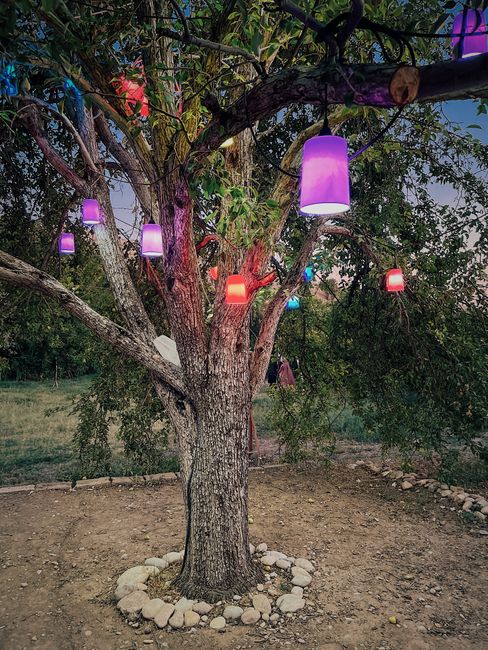
Hung along fences, pergolas, or from tree to tree, string lights create cozy evening ambiance. Look for heavy-duty, weatherproof cords. Attach them securely using hooks or wall anchors to withstand wind and rain.
- Lanterns and portable lamps:
Rechargeable or solar lanterns offer flexible placement and can be grouped for mood lighting during cookouts or outdoor gatherings.
- Step and deck lighting:
Battery-powered puck lights or stick-on LED bars illuminate stairs and railings, making evening use safer. Ensure units are rated for Michigan’s temperature swings.
How Does Backyard Lighting Improve Nighttime Enjoyment and Safety?
Effective outdoor lighting extends usable backyard time after sunset while reducing tripping hazards and discouraging wildlife or unwanted visitors. For pool owners, a well-lit perimeter increases both safety and relaxation opportunities.
Ways lighting affects backyard life:
- Clearly marking paths and edges prevents accidents on uneven ground.
- Illuminated gathering areas make summer nights more inviting for socializing.
- Motion-activated lights at side gates or near sheds can deter deer, raccoons, or trespassers—common concerns in edge-of-town neighborhoods.
What Are Common Mistakes to Avoid When Planning Outdoor Lighting?
Many first-time DIYers use too few or too many lights. Start by identifying high-use areas, dark corners, and sightlines from inside the home. Over-lighting can create glare and waste energy, while under-lighting can leave obstacles invisible.
Other common pitfalls:
- Installing lights without checking after dark. Test layouts at night before final installation.
- Overlooking weather durability—Michigan winters are tough on cheap fixtures.
- Running cords across lawn areas where mowers or pets might damage them.
- Forgetting to angle fixtures downward or shield bulbs to reduce light pollution.
Do Outdoor Lights Attract Mosquitoes or Other Insects?
Warm, humid summers mean residents often worry about attracting more bugs with added lights. Most outdoor LEDs emit little heat and fewer UV rays than older bulbs, attracting fewer mosquitoes. Yellow-toned, “bug-repellent” bulbs are an option for frequently used seating areas.
Reduce insect attraction by:
- Keeping lights away from doors and eating areas.
- Using motion-activated fixtures so lights aren’t always on.
- Cleaning fixtures regularly to avoid spider and cobweb buildup.
Are Permits or Codes an Issue for DIY Backyard Lighting?
Local code generally allows residents to install plug-in, low-voltage, or solar lighting without a permit. Hardwired or high-voltage electrical work, especially anything attached to the house, may require inspection. Check with the appropriate city building office for guidance on permanent fixtures or changes to exterior electric boxes.
For most backyard DIYers, sticking with plug-in or solar options avoids code issues and simplifies projects.
How Can Solar Lighting Be Effective in This Region’s Climate?
Solar lights work well for accent and path lighting through spring, summer, and early fall when days are long and sunny. Performance drops during Michigan’s cloudy late autumn and winter, especially in shaded yards. For reliable year-round coverage, combine solar lights with low-voltage plug-in options or battery-powered units set on timers.
Tips for maximizing solar light performance:
- Place fixtures in areas that receive 6+ hours of direct sunlight.
- Regularly clear snow and debris from solar panels.
- Swap in rechargeable batteries annually for best output.