

 See My Latest Article on HelloNation
How Can Lansing, MI Residents Create a Bird- and Butterfly-Friendly Garden?
Gardens in Lansing, MI can become vibrant wildlife havens by providing essential elements like food, water, and shelter. Focusing on native plants and simple habitat features ensures that both birds and butterflies can thrive, even in small spaces or yards with pools.
What Are the Best Native Plants for Attracting Birds and Butterflies?
Native plants offer the most reliable food and shelter for local species. In Lansing’s climate, prioritize varieties that bloom at different points in the growing season:
- For birds: Serviceberry, elderberry, and dogwood attract songbirds with berries and safe nesting spots.
- For butterflies: Milkweed, coneflower, bee balm, and black-eyed Susan provide nectar for adults and foliage for caterpillars.
- Additional choices: Goldenrod and aster flower late into autumn for migrating butterflies and late-season pollinators.
These plantings support wildlife throughout the year, including crucial times like migration and early spring.
How Do Water Features Help Wildlife in Lansing Gardens?
Even a small water source will attract a surprising variety of birds and butterflies. Moving water, such as from a shallow fountain or gently bubbling feature, tends to be most appealing and discourages mosquitoes. If a pool is present, adding a separate birdbath or butterfly puddling area (like a shallow dish with wet sand and stones) draws wildlife safely away from the pool itself.
- Change standing water every few days in summer to avoid mosquito breeding.
- Place water sources near cover (shrubs, tall flowers) to give visitors a sense of security.
How Should Shelter and Safety Be Designed for Wildlife?
Shelter keeps birds and butterflies out of wind, rain, and sight of predators. Layer plantings—taller shrubs in the back, small trees and perennials in front—to mimic natural edges. Allowing some leaf litter to collect under shrubs or in a neglected corner provides valuable overwintering habitat for butterflies and insects.
Avoid heavily “tidying” every area; a brush pile or log can serve as nesting and hiding space for birds. If using netting to protect garden crops, ensure it is taut and checked daily so wildlife does not become entangled.
Are Bird Feeders Necessary, and What Should Be Avoided?
Feeders are optional; native plants and insects provide more nutrition and fewer risks. If residents use feeders, clean them often to prevent disease, offer black oil sunflower seed for a broad range of songbirds, and avoid mixes with artificial dyes or added sugar.
Hummingbird feeders can supplement nectar when few flowers are blooming, but must be refreshed and sanitized every 2-3 days in hot weather. Never use honey, red dye, or artificial sweeteners, which can harm birds.
What Pesticide and Herbicide Practices Are Safe for Wildlife?
Avoiding broad-spectrum insecticides is crucial—these chemicals harm butterflies, caterpillars, pollinators, and birds that feed on insects. Hand-pulling weeds and tolerating some caterpillar nibbling can make a big difference for both adult butterflies and the next generation.
For especially troublesome pest problems, spot-treat with physical controls (barriers, manual removal) rather than spraying large areas. Organic or “natural” sprays are not automatically safe for wildlife, so always read labels and use with care.
How Do Pools and Outdoor Lighting Affect Wildlife?
Pools in Lansing yards can be a hazard for birds and insects if uncovered overnight. Use pool covers when possible, and avoid bright poolside lighting during spring and fall migrations, which can disorient birds and moths.
Outdoor lights attract flying insects, which may not benefit butterflies and can disrupt their nighttime activity. Use low-wattage, shielded lights, and switch them off when not needed.
What Are Common Misconceptions About Creating Wildlife Habitat?
Some local gardeners mistakenly believe attracting birds and butterflies requires planting expensive or exotic flowers. In fact, native plants adapted to Lansing’s weather are hardier and far more beneficial for wildlife than most ornamentals.
Another misconception is that a wildlife-friendly yard must look wild or messy. Thoughtfully arranged plant groupings, mulched beds, and well-placed features can look tidy while functioning as habitat.
How Do Seasonal Changes Influence What to Plant and Maintain?
Seasonal shifts in Lansing, MI—from late frosts into April through the first freezes in October—shape what food and shelter are available to wildlife. Early-flowering shrubs and bulbs provide resources in spring, while late bloomers and berry-producing plants feed birds and butterflies through autumn.
Leaving some seed heads uncut through winter, rather than tidying everything in fall, offers both food and perching sites for nonmigratory birds. Delaying heavy garden cleanup until late spring also allows many butterfly species to overwinter undisturbed as chrysalises or pupae among dead stems.
How Can Small Spaces and Yards With Pools Still Support Wildlife?
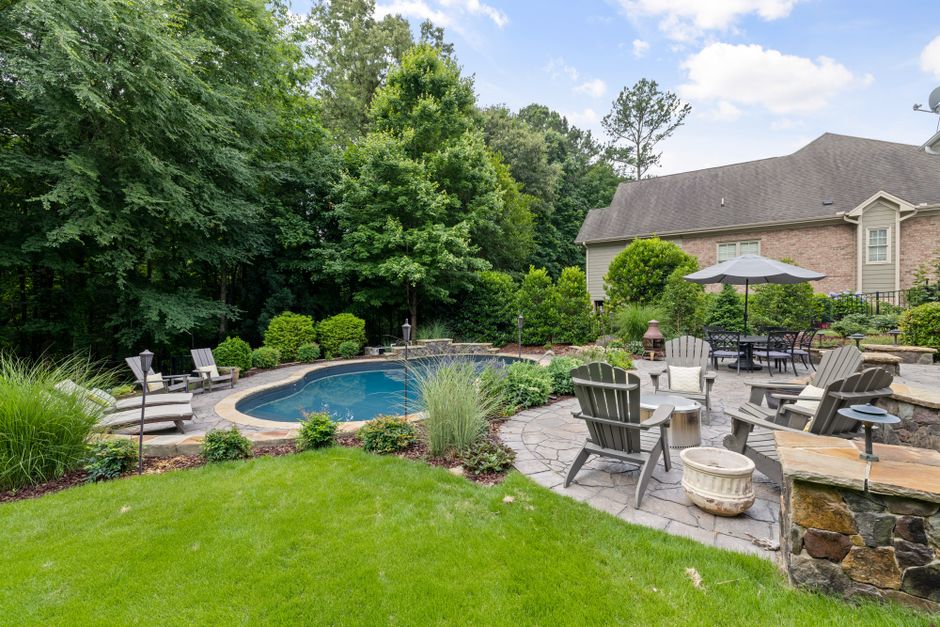
Even container gardens and pool-adjacent patios can support birds and butterflies with a few pots of native flowers, a shallow dish of water, and protection from wind (using fences, screens, or positioning plants to create small, sheltered spots). It’s possible to balance family use of outdoor areas with wildlife needs by thoughtfully arranging features to provide both access and safe refuge.