

 See My Latest Article on HelloNation
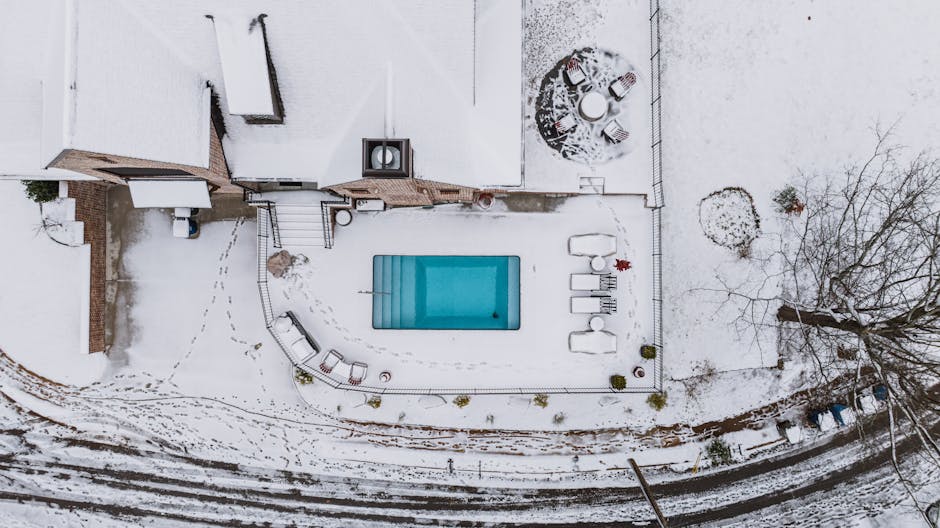
If you’re thinking about installing a pool in Lansing, MI, you’re probably weighing different options. Among the most common questions is whether to choose a saltwater or chlorine pool. Each system has its unique pros and cons, which can impact your budget, maintenance routine, and overall swimming experience—especially with Michigan’s unique weather patterns and the local lifestyle to consider. Here’s what Lansing homeowners should know about both options.
Understanding Saltwater and Chlorine Pools
Saltwater pools use a salt chlorine generator to convert salt into chlorine, sanitizing the water gradually and consistently. Chlorine pools, on the other hand, require regular additions of chlorine, either by manual methods, tablets, or an automatic feeder.
The Lansing Lifestyle: Why This Choice Matters
Residents in Lansing experience all four seasons, including chilly winters and hot, humid summers. Pools are generally open from late spring to early fall. Homeowners here often seek low-maintenance solutions so they can enjoy the short swim season to the fullest without extra hassle.
Pros of Saltwater Pools
- Gentler on Skin and Eyes
Saltwater pools generally have lower chlorine levels, reducing irritation to eyes and skin—important for families and frequent swimmers.
- Lower Ongoing Chemical Costs
Once installed, saltwater systems generate their own chlorine, meaning less money spent on chemicals, especially over Lansing’s active summer months.
- Consistent and Softer Water
A salt chlorine generator offers steady chlorine distribution, so water chemistry is more stable and "softer," making swimming more comfortable.
- Less Chlorine Smell
Saltwater pools emit less of the sharp “chlorine” odor many swimmers dislike, contributing to a more pleasant backyard experience during summer gatherings or BBQs.
Cons of Saltwater Pools
- Higher Upfront Costs
Installing a saltwater generator adds to initial expenses—a consideration for families budgeting home improvements in Michigan.
- Potential for Equipment Corrosion
Salt is mildly corrosive. Pool parts, heaters, and decks, especially metal fixtures, may wear faster, which is a concern with Lansing’s freeze-thaw cycles in spring and fall.
- Occasional Salt Cell Maintenance
The generator cell requires periodic cleaning and replacement, adding a unique maintenance step, especially after Michigan storms that can throw debris into the water.
Pros of Chlorine Pools
- Lower Installation Cost
Chlorine pools generally cost less to install, which can be appealing if you’re watching your renovation budget.
- Familiar and Readily Available
Traditional chlorine treatments are widely available at Lansing hardware stores. Many pool professionals are experienced with chlorine systems, so help is always nearby.
- Effective Sanitization
Chlorine is highly effective at sanitizing water and quickly addressing algae or bacteria—useful during hot streaks or after heavy rain when pool water can turn cloudy fast.
- No Special Equipment Needed
No need for specialized generators or cells—just the standard pool filtration system.
Cons of Chlorine Pools
- Requires Frequent Chemical Adjustments
Chlorine levels must be checked and balanced regularly, especially during periods of heavy use or after Lansing’s unpredictable summer storms.
- Stronger Chemical Smell
Traditional chlorine pools often have a distinct “pool smell,” which some swimmers find unpleasant.
- Can Irritate Skin and Eyes
Higher chlorine concentrations or improper balancing can cause discomfort, particularly for young children or those with sensitive skin.
- Continuous Chemical Costs
Chlorine must be added regularly, and while it’s not very expensive per treatment, the costs add up over the course of a Lansing summer.
Additional Factors for Lansing Homeowners
Winterizing Your Pool
Pools in Michigan require winterization. Saltwater pools can be more complex to close for the season, as the generator must be cleaned and stored. In contrast, chlorine pools simply need their chemical levels balanced and standard winterizing procedures.
Impact on Pool Materials
With Lansing’s spring freeze-thaw cycles, saltwater can accelerate wear on cement, stonework, or certain metals. Homeowners should consider pool finishes and surrounding landscaping materials (like pavers, decks, or fencing) when selecting a system.
Environmental Concerns
Both systems need responsible chemical management, especially to protect local Lansing waterways from runoff. Proper disposal and careful pool closure help minimize environmental impact.
Which Pool Is Best for Lansing, MI Homes?
There’s no universal answer; your choice depends on your family’s needs, budget, and willingness to perform regular maintenance.
- Saltwater pools may be ideal if you value comfort, gentler water, and don’t mind a higher upfront investment.
- Chlorine pools are a strong choice for those who prefer lower installation costs and are comfortable with traditional pool care routines.
For Lansing residents, both systems will need proper seasonal care due to harsh winters and the short swimsuit season from May through September.
Frequently Asked Questions for Lansing Pool Owners
*Does a saltwater pool work in cold Michigan winters?*
Yes, but the generator cannot operate below certain temperatures. Like any pool, saltwater systems must be winterized before freezing weather.
*Is saltwater cheaper over time?*
Saltwater pools often have lower annual chemical costs but require periodic investments in equipment maintenance and cell replacement.
*Does a chlorine pool require daily tasks?*
You’ll need to test the water and add chemicals at least weekly during the summer. After storms or big parties, extra adjustments may be needed.
*Will a saltwater pool affect my landscaping?*
Salt exposure can harm some plants or deck materials. Choose salt-friendly landscaping and monitor salinity levels to avoid splash-out issues.
Conclusion: Weighing Your Options
When choosing between saltwater and chlorine pools in Lansing, MI, consider how each system fits with your lifestyle, local climate, and long-term goals for relaxation and maintenance. Both options can deliver a fun, refreshing backyard oasis—with proper care, either one can be the highlight of your Lansing summer.