

 See My Latest Article on HelloNation
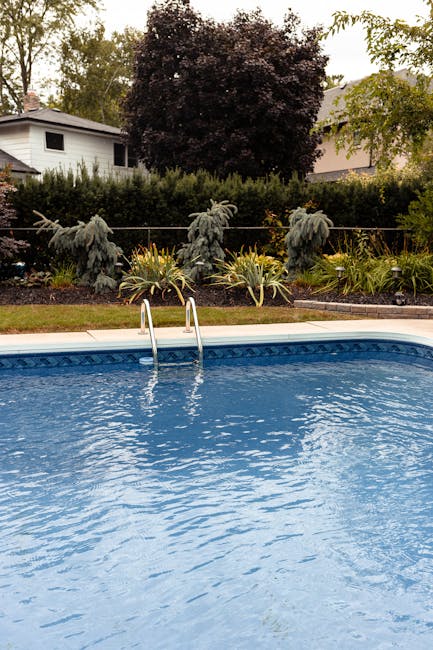
Owning a swimming pool in Lansing, MI is a wonderful way to make the most of Michigan’s warm summer months. Between neighborhood gatherings, backyard barbecues, and family staycations, your pool quickly becomes the heart of your outdoor lifestyle. But to truly enjoy it—without costly repairs or headaches—consistent pool maintenance is a must. This ultimate guide breaks down the essentials of pool upkeep, tailored specifically for Lansing’s unique weather patterns and seasonal joys.
Why Pool Maintenance Matters in Lansing
Lansing experiences a full spectrum of seasons, from snowy winters to hot, humid summers. These fluctuations create unique challenges for pool owners:
- Pollen and Debris: Late spring fills the air with pollen, while fall brings leaves—both end up in your pool.
- Water Chemistry Changes: Temperature swings can disrupt water balance.
- Winterization Necessity: Proper closing in late fall prevents costly freeze damage.
Essential Pool Maintenance Tasks
To keep your pool sparkling and safe all season long, Lansing homeowners should incorporate these core routines:
1. Skimming and Cleaning
- Daily: Skim the surface for leaves, bugs, and pollen. Lansing’s many tree-lined neighborhoods make this essential in spring and autumn.
- Weekly: Brush pool walls and vacuum sediment from the bottom. Regular vacuuming helps counteract Michigan’s abundant organic debris.
2. Water Testing and Balancing
- Frequency: Test at least twice weekly during peak season (May–September).
- Parameters to Monitor:
- pH (ideal: 7.2–7.6)
- Chlorine (ideal: 1–3 ppm)
- Alkalinity (ideal: 80–120 ppm)
- Calcium hardness (ideal: 200–400 ppm)
Use a reliable testing kit and adjust chemicals as needed. Poorly balanced water in Lansing’s fluctuating weather can lead to algae blooms, cloudy water, and damaged equipment.
3. Filter Maintenance
Lansing’s pools typically use either sand, cartridge, or diatomaceous earth (DE) filters.
- Sand Filters: Backwash every 1–2 weeks.
- Cartridge Filters: Remove and hose off every month; deep clean at least once a season.
- DE Filters: Backwash and add fresh DE powder as needed.
A clean filter is vital—Lansing’s organic debris can quickly clog it.
4. Shock Treatments
After heavy use, storms, or noticing cloudy water, “shocking” your pool (super-chlorinating) can reset water quality. Lansing’s summer storms or post-party weekends are common triggers for shock treatments.
5. Algae Prevention
Algae thrives in warm, humid weather—something Lansing sees in July and August.
- Maintain chlorine levels.
- Brush walls, especially shaded areas.
- Use an algaecide if you spot green, yellow, or black growths.
Seasonal Pool Maintenance in Lansing
Spring Opening
- Remove the winter cover carefully. Clean and dry it before storage.
- Replace plugs and reinstall ladders and lights.
- Top up the water level.
- Reconnect equipment and check for leaks.
- Start the pump and test/balance the water.
Summer Care
- Maintain weekly cleaning and balancing routines.
- Monitor water level—strong Lansing sun and splash-out can lower it.
- Check for visible signs of wear (tiles, liners, decking) after active family weekends.
Fall Maintenance
- Increase skimming frequency as leaves fall.
- Consider a leaf net in heavily wooded areas like Eastside or Groesbeck.
- Winterize by late October or after consistent nighttime lows near freezing:
- Lower the water level.
- Blow out and plug return lines.
- Add winterizing chemicals.
- Secure a strong cover to prevent Michigan snow-load and debris infiltration.
Winter Monitoring
- Check your pool cover after snow or ice storms. Remove heavy loads to prevent tears.
- Inspect yard drainage. Lansing’s clay soils sometimes collect standing meltwater—redirect away from your pool.
Local Pro Tips for Lansing Pool Owners
- Schedule major maintenance for late April or early May before the Memorial Day rush at local pool supply stores.
- Take advantage of Lansing’s community resources: Local extension offices or MSU’s Homeownership programs sometimes offer pool care seminars.
- Consider solar covers: With Michigan’s variable sun, a solar blanket can extend swimming season and reduce evaporation.
- Watch for local pests: Squirrels, chipmunks, or the occasional frog can find their way into backyard pools!
Frequently Asked Questions
What’s the easiest pool for Lansing’s climate?
Most Lansing homeowners prefer vinyl-lined or fiberglass pools, as these materials handle the freeze/thaw cycle better than concrete and are less prone to cracking when properly winterized.
How often should I test my pool water?
Twice per week during swimming season (May–September), and after any major rain or storm event.
Is it safe to use my pool after shocking it?
Wait until chlorine levels return to the recommended 1–3 ppm—usually about 24 hours. Always test before swimming.
What’s the best way to keep my pool clear all summer?
- Stick to your weekly cleaning and chemical routines.
- Address any problems (cloudy water, algae spots) promptly.
- Schedule a mid-summer professional checkup for peace of mind.
Closing Thoughts
With a little time and consistency, Lansing pool owners can enjoy a sparkling retreat all summer. Routine care, proper seasonal transitions, and the right equipment keep repairs minimal and enjoyment maximal—so your pool remains the highlight of Lansing’s sunny days and lively weekends.
For those new to pool ownership or unsure about specific care steps, connecting with local pool professionals in Lansing ensures your investment is protected for years to come.