

 See My Latest Article on HelloNation
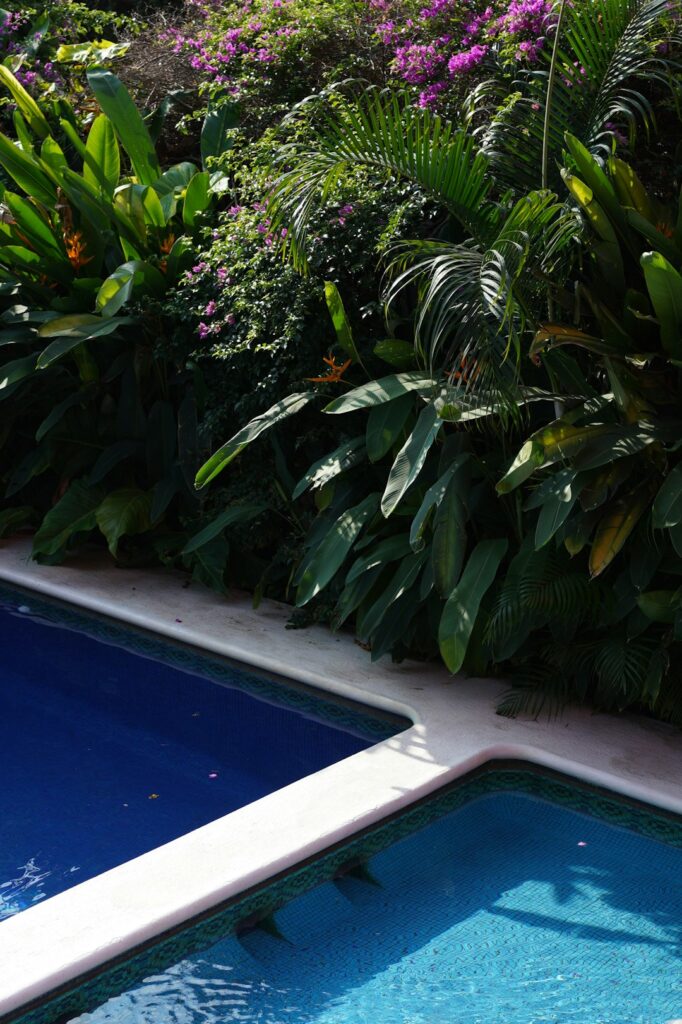
Why Does Poolside Landscaping Matter in Lansing, MI?
Poolside landscaping is about more than aesthetics. For Lansing, MI residents, thoughtful design can help prevent slips, keep swimmers safe, and ensure plants thrive through the area’s winter freeze and humid summers. Well-chosen materials and smart plant selections can also simplify maintenance, reduce debris in the water, and increase year-round enjoyment.
What Are the Key Safety Considerations for Pool Landscaping?
Safety is central for any backyard pool. Around pools in Lansing, slippery surfaces and poorly placed plants can create hazards, particularly during wet spring seasons or icy weather.
To enhance safety:
- Use non-slip paving materials such as textured concrete, brushed concrete, or brick for walkways and pool decks. Avoid smooth tiles or untreated wood that become slippery when wet, especially in the city’s humid summers.
- Maintain clear sight lines by keeping shrubs and plants trimmed low around pool edges. Overgrown greenery can block the view of children or pets.
- Keep at least a four-foot clearance around the pool perimeter so people can exit quickly in an emergency.
- Consider durable fencing that meets local code—this is a legal requirement in Lansing to prevent unsupervised access.
- Avoid thorny or spiky plants where people commonly walk barefoot.
Winter weather creates additional considerations. Areas around pools should be designed for easy snow removal and runoff to prevent ice buildup during freeze-thaw cycles.
How Should Plants Be Selected for Poolside Spaces?
Not all plants are suited to pool environments, especially with Lansing’s distinct growing conditions. Choose greenery that tolerates chlorine splash, local temperature swings, and minimal fuss.
Practical plant choices include:
- Deciduous shrubs like serviceberry or viburnum, which tolerate wet soil and come back every spring.
- Ornamental grasses such as switchgrass, which withstand pool chemicals and provide movement without shedding many leaves.
- Mulch or perennial groundcovers like creeping phlox, which suppress weeds with minimal mess. Avoid lightweight mulches like pine bark, which can blow into the pool.
- Evergreens like boxwood for year-round color; these are hardy against Lansing winters.
Plants to avoid:
- Flowering trees or shrubs that drop a lot of petals or seed pods, which create cleanup headaches.
- High-pollen plants near the pool, which can aggravate allergies in the spring.
- Invasive species or anything prohibited by local ordinances.
What Should Be Considered When Choosing Hardscape Materials?
Choosing the right materials for decks, edging, and paved areas is foundational. The freeze-thaw cycle in Lansing can cause some materials to shift or crack.
Locally wise options include:
- Pavers rated for freeze-thaw durability. Concrete and brick are reliable choices.
- Permeable materials for walkways to allow for drainage and reduce puddling after storms.
- Rounded edge coping stones around the pool to reduce injury risk.
Steer clear of materials that heat up quickly in full sun, as bare feet are common near pools. Lighter-colored surfaces stay cooler in the summer.
How Can You Reduce Pool Debris and Maintenance with Landscaping?
Residents often ask how to keep pool water clean while enjoying greenery. Proper layout and plant choice play a major role.
Tips for keeping debris down:
- Position trees and larger shrubs at least ten feet from the water to keep falling leaves out.
- Use low-growing groundcovers closer to the pool’s edge instead of mulched beds that shed into the water.
- Regularly sweep or blow paved paths and pool decks, especially during autumn leaf drop.
- Install edging barriers (like metal or stone edging) between plant beds and pool decks to contain mulch or gravel.

These steps help keep filters clear and reduce overall workload for area households.
How Does Lansing’s Climate Affect Pool Landscaping Planning?
The city’s climate means landscaping plans must account for frost, drought spells, and variable precipitation. Select plants and materials rated for USDA Zone 5b or lower; these will survive local winters.
Important considerations:
- Use frost-proof containers and planters if incorporating potted plants.
- Design for drainage—gravel beds or rain gardens can collect runoff away from paved pool decks, minimizing slip hazards.
- Choose salt- and chlorine-tolerant species if pools use those sanitation methods.
- Be cautious with automated irrigation systems. Overwatering is less of an issue than in drier climates, but make sure controllers are adjusted for rainfall.
By accommodating the city’s four-season conditions, pool landscaping will establish more successfully and require fewer replacements.
What Are Common Mistakes to Avoid in Poolside Landscaping?
People sometimes overlook practicalities for beauty, or underestimate seasonal changes that affect upkeep.
Common pitfalls:
- Overplanting close to the pool, resulting in excessive cleanup needs.
- Ignoring root systems—planting large trees too near the pool can damage underground plumbing or decking.
- Forgetting about privacy: Many people want year-round screening, but some popular privacy plants lose their leaves in winter. Mix evergreen hedges with decorative fencing for reliable coverage.
- Using gravel too close to the water, which can get kicked into the pool.
Focus on longevity, upkeep, and safety to keep poolside spaces usable and attractive across seasons in Lansing.
Can Pool Landscaping Support Wildlife Without Sacrificing Cleanliness?
It’s possible to attract birds, butterflies, and pollinators without inviting pests or extra debris.
Suggestions:
- Opt for native perennials like black-eyed Susan or butterfly weed just beyond primary pool decks, as they’re drought-tolerant and support local pollinators.
- Place bath or feeder features several yards away from the water’s edge.
- Avoid berry-producing shrubs close to the pool, as they create mess and may draw unwanted wildlife.
With careful placement, a landscaped poolside can offer a habitat for beneficial species while keeping water clear and safe.