

 See My Latest Article on HelloNation
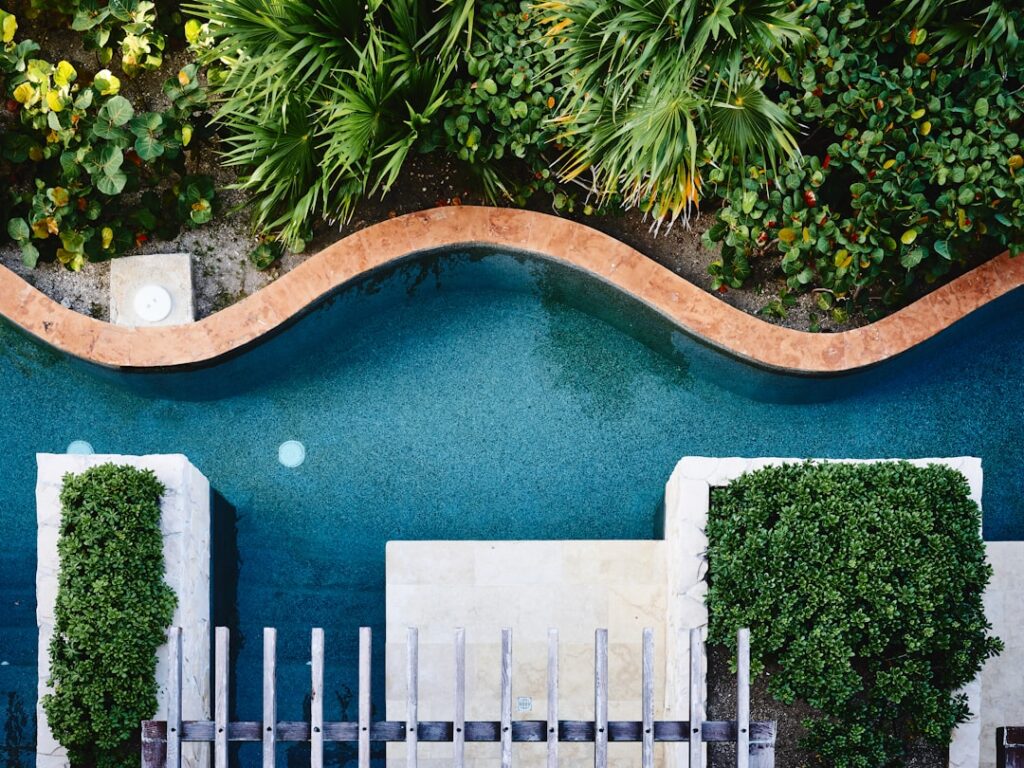
What Should You Consider First When Thinking About Pool Shape?
The best pool shape for your home depends on your yard’s layout, space restrictions, purpose, and how you want to use the pool. In Lansing, MI, factors like lot dimensions, mature trees, sun exposure, and the way you plan to landscape around the pool play a significant role. Addressing these early often prevents later regrets and unexpected costs.
Many residential properties in the city feature rectangular or irregular lot shapes. For these, assessing the clear, usable space—free of utility lines, easements, and overhead trees—helps clarify what pool footprints will actually fit, leaving enough room for a safe deck, fencing, and desired landscaping.
How Does Intended Use Influence Pool Shape Selection?
Pools serve different purposes for each household—relaxation, fitness, kids’ play, or aesthetic appeal. The main ways you plan to use your pool should heavily influence which shapes work best.
- For lap swimming or exercise: Long, rectangular pools facilitate straight laps and repetitive swim strokes.
- For family fun or play: Freeform, oval, or kidney-shaped pools often provide wider shallow ends, curved benches, and built-in play areas.
- For visual focal points: Geometric shapes, circles, or elaborate curves stand out in landscape design, but can complicate cover use and maintenance access.
Homeowners in the community also consider the extended swim season—typically late May through early September—and whether the pool shape allows for safety covers or easy winterization.
What Pool Shapes Are Most Practical for Lansing, MI Yards?
Rectangular pools are the most common due to their versatility, straightforward construction, and ease of covering during the long winter months. Their clean lines also pair well with modern or traditional landscape elements found throughout the city.
Irregular or freeform pools can be practical for unusual lot shapes or when homeowners want the pool to blend naturally with garden beds and mature shade trees. However, these styles can create challenges:
- Custom covers are often needed, raising costs.
- Cleaning and circulating water may require extra attention due to curves and corners.
- Local zoning may require more detailed site plans for irregular boundaries.
Oval, round, or kidney shapes maximize available swim space while fitting into tight or asymmetrical sections of a residential yard. These shapes can work well in neighborhoods with older lots that have non-standard fencing or building lines.
Are There Local Climate or Landscape Factors to Keep in Mind?
Yes, the climate in Lansing presents unique challenges and opportunities:
- Freeze-thaw cycles: Simple shapes—rectangular or oval—create fewer weak spots for cracking and shifting caused by freezing winters.
- Shaded vs. sunny locations: Rectangular shapes are easier to orient for maximum sun exposure, speeding warming for early-season use.
- Mature trees: Pools designed with curved edges can sometimes better adapt to existing root systems and avoid costly removals.
- Snow loads: Straight-edged pools typically accommodate standard safety covers, crucial for protecting the pool in heavy snow seasons.
Additionally, most properties in the city require fencing for safety, and pool shapes that fit neatly into corner lots or narrow yards can simplify fence installation and keep costs down.
How Do Decks, Patios, and Landscaping Influence the Best Pool Shape?
Your plans for decks, patios, or plantings should be evaluated with the pool shape in mind. In many Lansing neighborhoods, established trees, garden beds, or grade changes will limit placement and may sway you toward a less conventional pool layout.
Decking materials—like concrete, pavers, or composite wood—tend to be easier and cheaper to install around regular pools. A rectangular or oval pool makes adding rectangular or L-shaped patios straightforward, creating more usable entertaining space.
For homes with gardens or irregular lot boundaries, a freeform pool may better preserve flowerbeds, shrubs, or privacy hedges, blending the pool naturally into the existing setting.

What Mistakes Do Homeowners Often Make When Picking Pool Shapes?
A few common missteps in the area include:
- Underestimating the real amount of space needed for decking and fencing.
- Ignoring local setback requirements or utility easements—sometimes leading to expensive revisions after construction begins.
- Prioritizing style over maintenance: complex or highly customized pool shapes can make cleaning, winterization, or cover installation more difficult and costly.
- Forgetting to consider sunlight patterns, which can affect water temperature and algae growth.
Discussing pool placement with neighbors, especially in tight residential blocks, can help avoid conflicts over shade or sightlines, which sometimes arise after installation.
How Can You Visualize What Shape Will Work in Your Yard?
Marking out the intended pool shape on your lawn using a garden hose, stakes, or landscaping paint gives a clearer sense of scale and fit. Walking around this outline while considering seating, landscaping, and traffic flow helps clarify whether the planned shape will enhance or overpower your yard.
Taking photos from windows or patios can also provide perspective on how the pool will look from different vantage points inside the house.
What Are Some Overlooked Factors When Deciding on Pool Shape?
Some less obvious—but locally relevant—considerations include:
- Whether the shape will accommodate pool covers (safety and winter) recommended for Michigan’s climate.
- Access for pool maintenance or future upgrades, given driveway widths or side yard space.
- The impact on stormwater drainage or existing grading.
- How the pool’s shape interacts with street view privacy or backyard seclusion.
In Lansing, MI, practical choices often balance efficient use of yard space, safety needs for snowy winters, and ease of seasonal care for years to come.