

 See My Latest Article on HelloNation
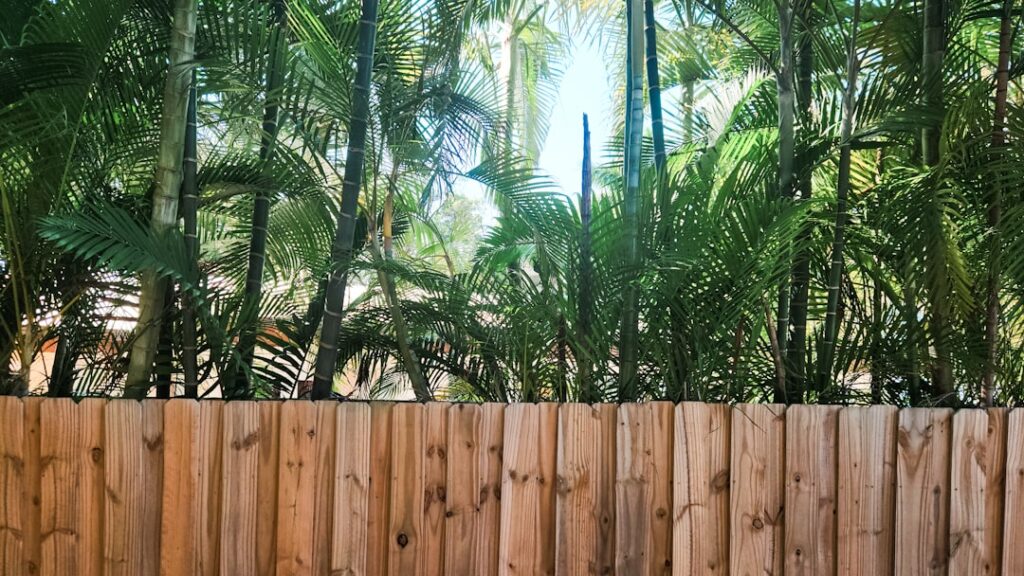
What Are Effective Ways to Increase Pool Privacy for Lansing, MI Households?
Adding privacy to a backyard pool in Lansing, MI is achievable with both quick fixes and longer-term changes. Many residents want to enjoy their pools without feeling exposed to neighbors, nearby roads, or passersby, especially in neighborhoods with close-set homes or limited fencing. Options range from natural barriers to lightweight structures and creative outdoor décor. Each approach works differently depending on yard size, direction of sunlight, and local ordinances.
Can Living Privacy Screens Work in Lansing’s Climate?
Yes, living privacy screens are popular and effective here, but plant selection matters in the local climate. Shrubs, trees, and tall ornamental grasses add year-round or seasonal privacy, soften the landscape, and often bring shade.
- Fast-growing evergreens such as arborvitae and spruce provide year-round screening and can be trimmed to suit different backyard shapes.
- Deciduous hedges, like lilac or viburnum, work well but lose leaves in winter—something to consider if people seek privacy even during the off-season.
- Tall ornamental grasses (for example, Miscanthus or feather reed grass) add height quickly without permanent structures and return each year.
- Many Lansing residents combine a short privacy fence with layered plantings to create a more natural look and increase effectiveness.
It’s important to plan for the mature size of plants to prevent overcrowding and maintenance issues. The city’s cold winters and humid summers should guide selection—plants that tolerate heavy snow and occasional drought survive best.
Which Fencing Options Offer Privacy and Meet Local Guidelines?
Solid fences remain a reliable solution for pool privacy. In Lansing, regulations set limits on fence height, appearance, and placement, especially near property lines and street views.
Wooden privacy fences (typically 6 feet high) can fully enclose a pool area and block sightlines. Vinyl panels offer a low-maintenance substitute with similar coverage. Chain-link fences with attached privacy slats or outdoor fabric panels are an affordable way to add screening on existing barriers.
Before installing or altering a fence, local residents should check current city ordinances. Fences for pools often have special requirements for height, self-closing gates, and lockable latches to ensure safety and code compliance.
Are Temporary Privacy Solutions Effective for Quick Fixes?
Temporary or movable privacy options can be set up and taken down as needed, making them ideal for renters or those looking for a budget-friendly solution.
Popular choices include:
- Freestanding outdoor privacy screens made from weather-resistant fabric, wood, or resin
- Retractable awnings or shade sails that block visibility at certain angles
- Outdoor curtains hung on a pergola, gazebo, or customized posts
- Portable bamboo screens that can be arranged and stored seasonally
These solutions are especially useful during the summer months when pool use increases and privacy becomes a bigger concern. They’re easy to reposition as sun angles or needs change. However, high winds and heavy rainfall in Lansing may require residents to secure or store lightweight options during storms.
How Can Landscaping Features Be Used for Pool Privacy?
Strategic landscaping elements create privacy while adding visual interest. Pergolas, trellises, and lattices support climbing vines or create semi-private nooks next to pool decks.
Some advantages:
- Wooden or metal trellises can be placed on one or more sides of a pool area and filled in over time with flowering vines (such as clematis or honeysuckle) that thrive locally.
- Raised plant beds or decorative screens help define pool zones and break up sightlines without fully enclosing the space.
- Boulders and earth berms, common in some Lansing yards, create elevation changes that shield certain views.

It’s important to ensure landscaping changes do not direct runoff toward the pool or neighboring properties. Also, avoid planting varieties with sharp thorns or heavy leaf drop near pool edges to minimize maintenance.
What Are Common Mistakes to Avoid When Adding Pool Privacy?
A few missteps can reduce the effectiveness or safety of privacy measures around a pool.
- Choosing plants unsuited to Lansing’s freeze-thaw cycles can result in die-back and gaps in screening.
- Ignoring required fence height or gate safety features may violate city codes or increase liability.
- Placing permanent structures such as sheds, pavilions, or large trees too close to the pool can impede maintenance and even create hazards.
- Overly dense plantings can restrict airflow and encourage insect activity.
Double-check setbacks, easements, and homeowners association rules before making major changes, particularly with solid fencing or permanent structures.
Do Pool Covers or Shade Structures Help With Privacy?
Pool covers themselves aren’t designed to provide privacy for people using a pool, but large cantilevered umbrellas, gazebos, or shade sails can help obscure views from above or at an angle. While their primary purpose is sun protection, many families in the community use these features to add a sense of enclosure, especially in yards without tall fences.
Shade structures are especially helpful for dealing with the high sun angles common in mid-summer, as well as adding comfort in heat and humidity. However, smaller yards may require careful planning to avoid shading the entire pool or creating crowded spaces.
How Can Local Residents Balance Privacy and Pool Safety?
Pool privacy upgrades must not compromise safety. City rules are in place to prevent accidents, especially involving unsupervised children or pets. Make sure fences remain in good repair and latches work properly, and that no climbable objects are placed near fence lines.
In addition, avoid blocking sightlines from the main house if adult supervision is needed during pool use. Low plantings and strategic breaks in landscaping help maintain safety while still providing seclusion.
By choosing locally-appropriate solutions—and making sure they meet city requirements—area households can enjoy greater privacy without adding stress or risk to backyard pool days.